
We’re sorry for your loss. Here’s exactly what to do next.
Everything on this page is free, and nothing is saved or shared unless you choose to. Take it one step at a time — the first two things below are the only ones that are actually urgent right now.

Your first 24 hours, laid out plainly
Only the first two things are urgent, and they’re on the right. The full checklist covers the rest of the day: who to tell, what to gather, when to contact a funeral home, and what can wait. Free, with nothing to sign up for. Open only the sections that apply to you.
See the full checklistUnder hospice care: the hospice’s 24-hour line, not 911.
Expected death at home, no hospice: 911. Tell the dispatcher the death was expected and there’s no hospice.
Sudden or unexpected: 911. Utah law requires these deaths to be reported to law enforcement right away.
Hospital, nursing home, or care facility: ask the staff what happens next.
Who to call, step by stepDon’t move the person, clean up the scene, or throw away medications unless you’re told to. The police or the medical examiner may need to see the scene before the person can be released to a funeral home.
What usually happens after a death
Most families move through these stages, though not always in this order. Our guide explains each one.
- 1Care and coordination
- 2Paperwork begins
- 3Burial, cremation, or another choice
- 4The gathering or service
- 5A final resting place
- 6The days after the service
- 7Longer-term matters
The forms and filings that come next
Cremation, burial, or a service first — explained plainly
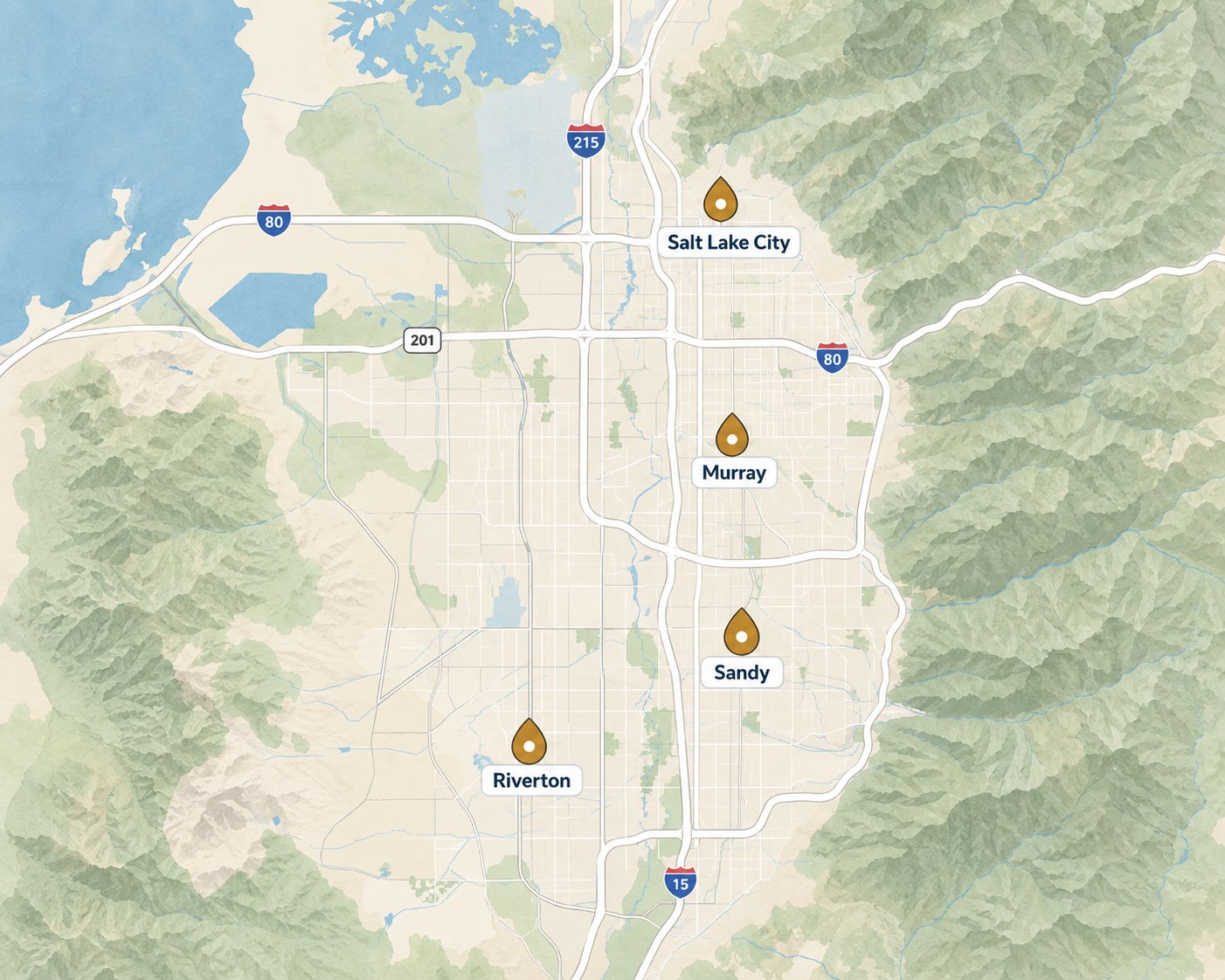
See every provider serving your city
Named funeral homes and crematories, with dated prices and their own local phone number — not a valley-wide number.